


Use Cases
AI. Innovation. Everything in between.
Examples of the use of artificial intelligence in various industries and business sectors
Thank you! Your submission has been received!
Oops! Something went wrong while submitting the form.
Thank you! Your submission has been received!
Oops! Something went wrong while submitting the form.
scores 1
Show 1 -3 of 6


AI agents transform tickets, requirements, and architectural rules into testable specifications. The team prioritizes and approves the specs.
Spec-Driven Development

AI agents prepare code changes, tests, and diffs from clearly specified tickets and execute them in isolated environments. Humans approve merges and deployments.
Convert ticket to change

AI reviews pull requests for style, architectural rules, security risks, and missing tests, and suggests fixes. The final decision to merge remains with the team.
Agent-based code reviews

AI analyzes code and specifications, creates unit, integration, and regression tests, and integrates them into existing CI pipelines. Developers review coverage and approve the results.
Automated test generation

KI-Agenten wandeln Tickets, Anforderungen und Architekturregeln in prüfbare Spezifikationen um. Das Team priorisiert und gibt die Specs frei.
Spec-Driven Development

Automated creation, review and individualization of standard documents — lawyers or administrators give final approval.
Law & Administration

Employees immediately receive precise answers from manuals, guidelines or databases.
Make product & process knowledge accessible

AI agents search documents, combine templates and create initial drafts — the specialist department reviews and finalizes.
Tender and offer support
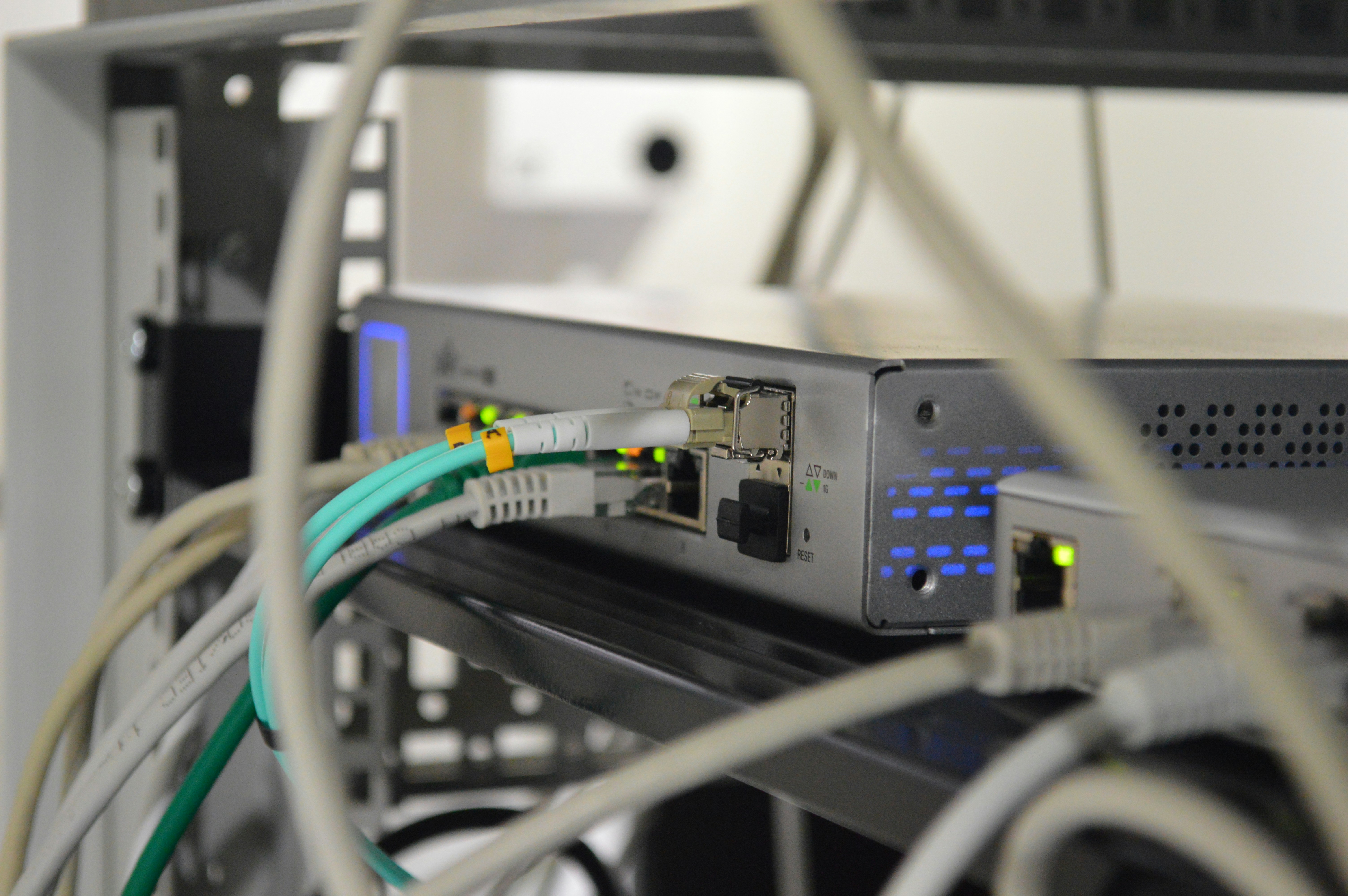
Machine learning models recognize recurring patterns in fault reports and initiate measures early on before a network failure occurs.
Network and fault detection
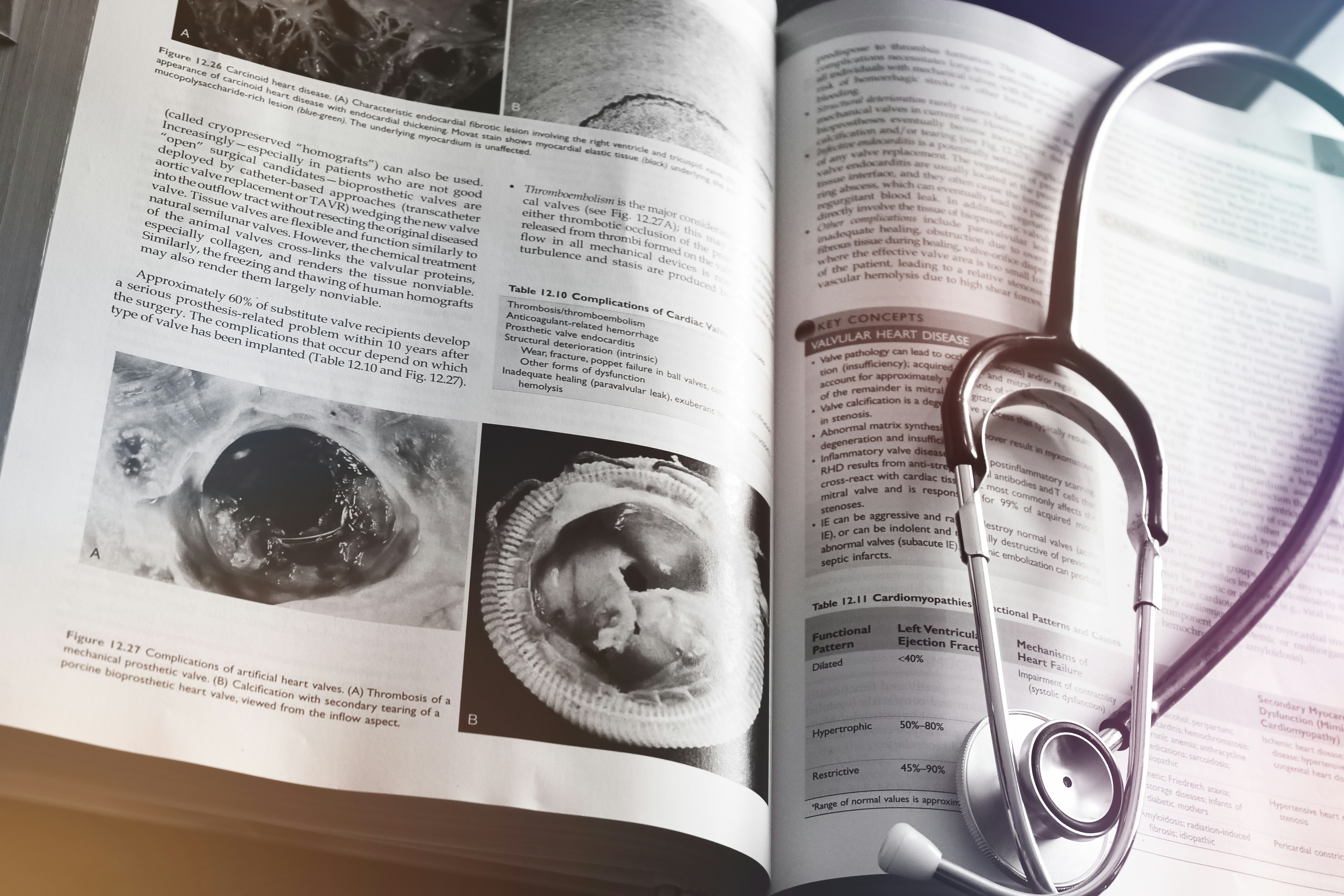
Data-driven trial design through AI evaluation of preclinical data, population histories or study registers.
Study planning & success forecast

AI-supported planned tours taking into account traffic, weather, vehicle data and customer windows.
Route and tour optimization

Optimized feed-in control through AI-based modelling of wind, solar and storage capacities based on weather and real-time data.
Integrate renewable energy efficiently


Live video surveillance footage can be analyzed in real time to identify predefined “suspicious” behavior. When something is discovered, shop owners are alerted via a connected app.
Theft detection

AI detects violent actions such as hitting, kicking, shooting and stabbing in crowds via drone or camera vision. In this way, clashes or sources of fire are found that emergency services on the ground overlook.
Detecting violence

By analyzing public traffic cameras and traffic light data, traffic can be better controlled. Live traffic forecasts and recommendations can be created using data mining, video and image recognition, and other techniques.
traffic management
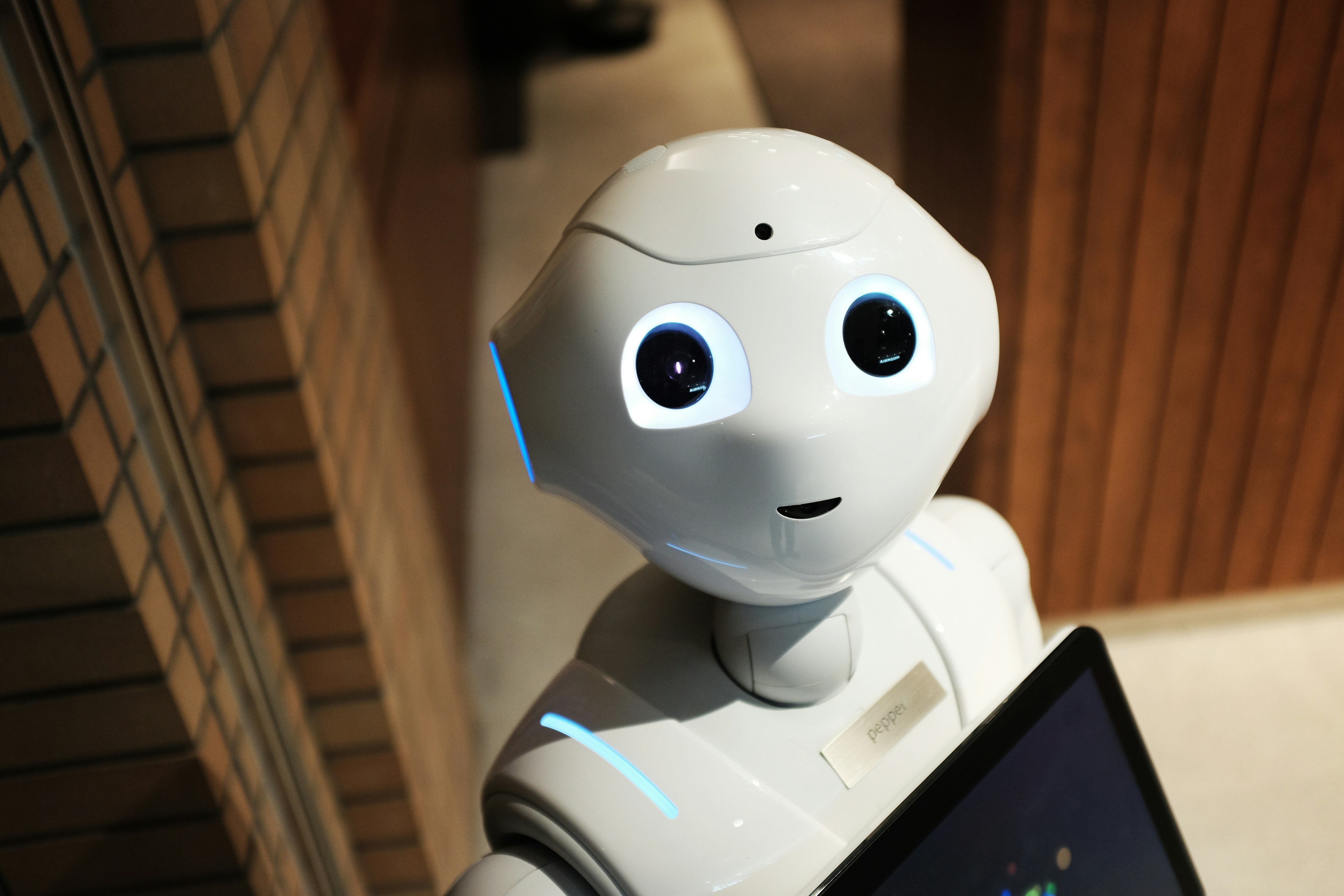
A chatbot can answer many questions and help users keep an eye on their finances. From past user behavior, it is also possible to learn which offers specific user groups are particularly appealing to. Individual offers can be created for each customer using robo-advice.
Robo advice

Alexa is not the only one that is smart. With natural language processing, vacuum cleaners, hotlines or industrial devices can be made “smart” and respond to user commands. This is no longer a future scenario, but can be implemented today.
Speech recognition and sound analysis

Use neural networks to detect copyright infringement of photos and documents on the Internet.
Detecting
IP violations


No suitable use case was found for your search
Reset all filters